


Whether you’re a TikTok addict or just a casual scroller, you may have been shocked to hear about the government’s potential ban of the beloved social media platform out of fear that it shares user data with the Chinese government. While TikTok may be the most recent focus of the government’s social media fears, its potential ban reflects broader questions about privacy issues on major social media platforms and search engines due partly to their targeted advertising capabilities.
On a personal level, the fear of data privacy is real. However, as B2B marketers, the fact that paid advertising enables precise targeting is one of its main draws. It allows for personalized messaging across multiple channels. This hyperpersonalization increases conversions, enabling brands to bring more leads into the funnel. As such, it has become one of the most popular marketing initiatives, with spending in the United States expected to reach $19.22 billion in 2024.
With all this investment, it’s critical for B2B marketers who leverage paid advertising on social media to use it wisely, understanding digital privacy and data protection regulations so they can leverage these platforms to drive success without violating customer privacy. In this article, we’ll explore recent regulatory changes and what they mean for the future of paid advertising.
The impact of regulations on paid advertising
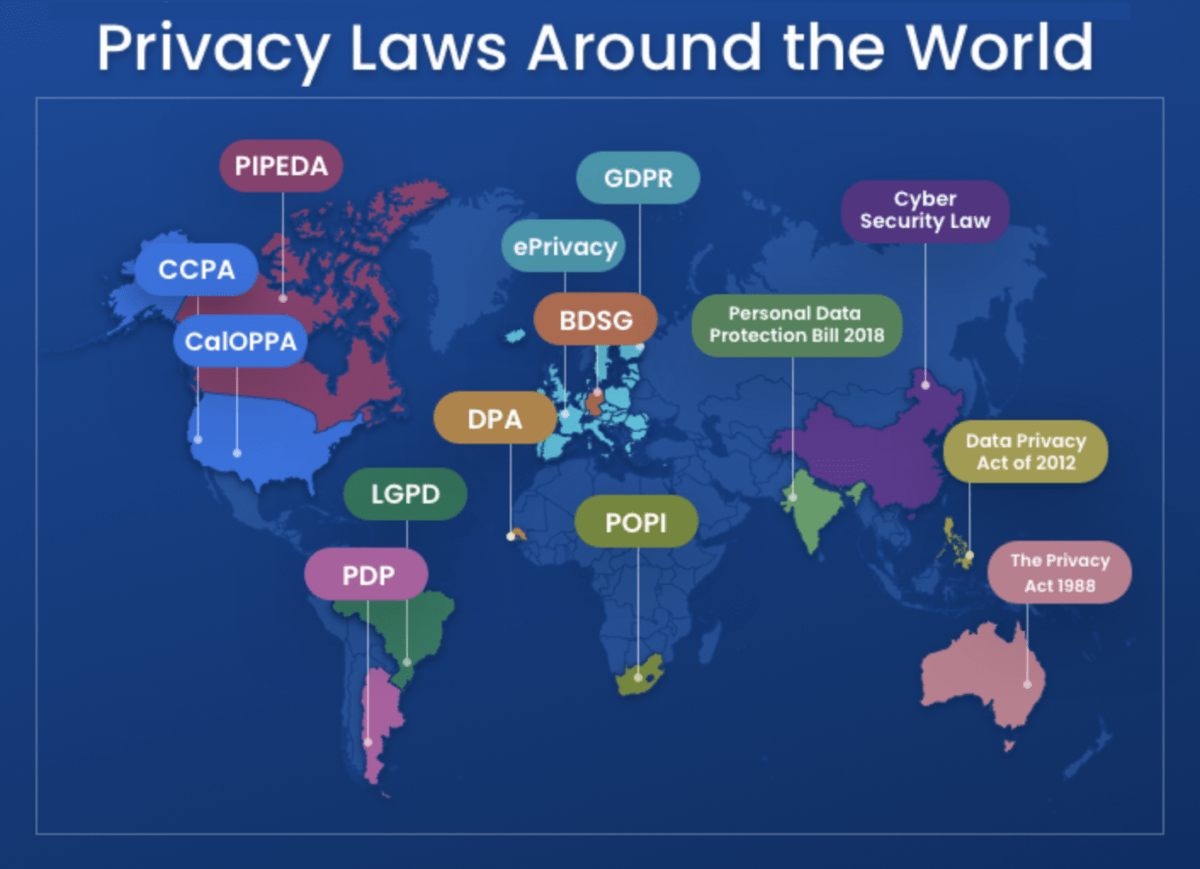
Navigating the world of digital advertising has become like exploring a new city with a complex subway system due to regulations like Europe’s GDPR, California’s CCPA, and a few others. These rules have changed the game by asking for explicit consent from users before collecting their data, offering them a way to check out or erase their information, and introducing steep penalties for stepping out of line.
GDPR and CCPA are not the only regulations that are making waves in paid advertising. Now, the Digital Service Act (DSA) and Digital Markets Act (DMA) are coming into effect, meaning that social media platforms and advertisers alike have to respond to changing user consent requirements for users in the European Economic Area (EEA) and Switzerland.
This means mastering a new set of skills for advertisers, as relying heavily on personal data for targeting ads is no longer a viable option.
6 trends that will dominate the future of paid advertising
As you can see, digital advertising isn’t just about catching eyes anymore; it’s about doing so in a way that respects the evolving playbook of regulations. Advertisers and platforms are innovating and seeking alternative approaches to connect with audiences effectively to thrive in this new environment. Here are several key trends shaping the future of paid advertising:
1. Privacy-friendly targeting
Advancements in privacy-preserving technologies, such as federated learning and differential privacy, enable advertisers to target relevant demographics without compromising individual privacy. These technologies allow for the analysis of user data so that personal information is not exposed, even to the advertisers themselves.
2. Increased emphasis on first-party data
Brands are increasingly focusing on building their first-party data capabilities by engaging directly with their customers. This involves collecting data through owned channels like websites, apps, and in-store interactions. With consented first-party data, advertisers can still deliver personalized experiences and market their brand while adhering to regulatory requirements.
3. Contextual advertising’s renaissance
Contextual advertising, which targets ads based on a web page’s content or the user’s current context, is seeing a resurgence. This approach does not rely on personal data, making it a compliant and effective alternative to traditional targeted advertising.
4. Transparency and consent management
Adopting transparent practices in how customer data is collected and used can foster trust and encourage users to share their information. You can boost engagement and consent levels by clearly explaining the benefits users gain in exchange for their data. Employing tools and platforms designed for transparent data practices and offering strong consent management options helps align with legal standards and nurtures trust among customers, who are becoming more concerned about their online privacy.
5. Diversify advertising channels
Relying solely on one platform for digital advertising is increasingly risky. Diversifying advertising channels can mitigate the impact of regulatory changes on any single platform. This might involve exploring other social media networks, search engine marketing, webinar marketing or email marketing, depending on where your audience is most active.
6. The importance of staying informed and agile
The regulatory landscape for digital advertising is evolving rapidly. Staying informed about these changes and being ready to adapt your strategies is crucial. This may involve legal consultation or investing in technology solutions that help manage consent and data privacy more efficiently.
New strategies for a new age in advertising
The future of paid advertising in the face of increasing regulations is not about restriction but adaptation. By embracing new technologies, prioritizing ethical data practices, and finding innovative ways to engage with audiences, advertisers can navigate this evolving landscape successfully.
The emphasis on privacy and consent is reshaping the industry into one that values consumer trust and transparency above all, laying the foundation for more sustainable and effective advertising strategies.
Learn more about how you can create an engaging and compliant social media strategy with Oktopost.