



B2B marketing analytics are advancing at a pace that can seem daunting even to seasoned and tech-savvy marketers. New ML and AI-powered tools, such as predictive lead scoring models and automated content personalization platforms, are launching constantly, and data has never been richer. Yet, most marketing teams need to prepare to take full advantage of this.
Only 6% of B2B companies agree that they are “advanced insight-driven businesses,” falling short of rates in other business segments. Many B2B companies are leaving revenue on the table because they are unable to capitalize on the full potential of modern data analytics.
What are B2B marketing analytics?
B2B marketing analytics are not just a theoretical concept, but a practical tool that can empower your team. They help you extract beneficial insights from data collected from your marketing channels, campaign activities, customer interactions, or touchpoints throughout the buyer journey. By understanding and utilizing this data, you can make informed decisions and drive your marketing strategies forward.
By analyzing and interpreting this data, businesses can gain a deeper understanding of their customers’ needs, identify untapped opportunities, anticipate trends and changes within the market, and strategically outmaneuver their competitors. This can lead to more effective marketing campaigns, higher customer satisfaction, and ultimately, increased revenue.
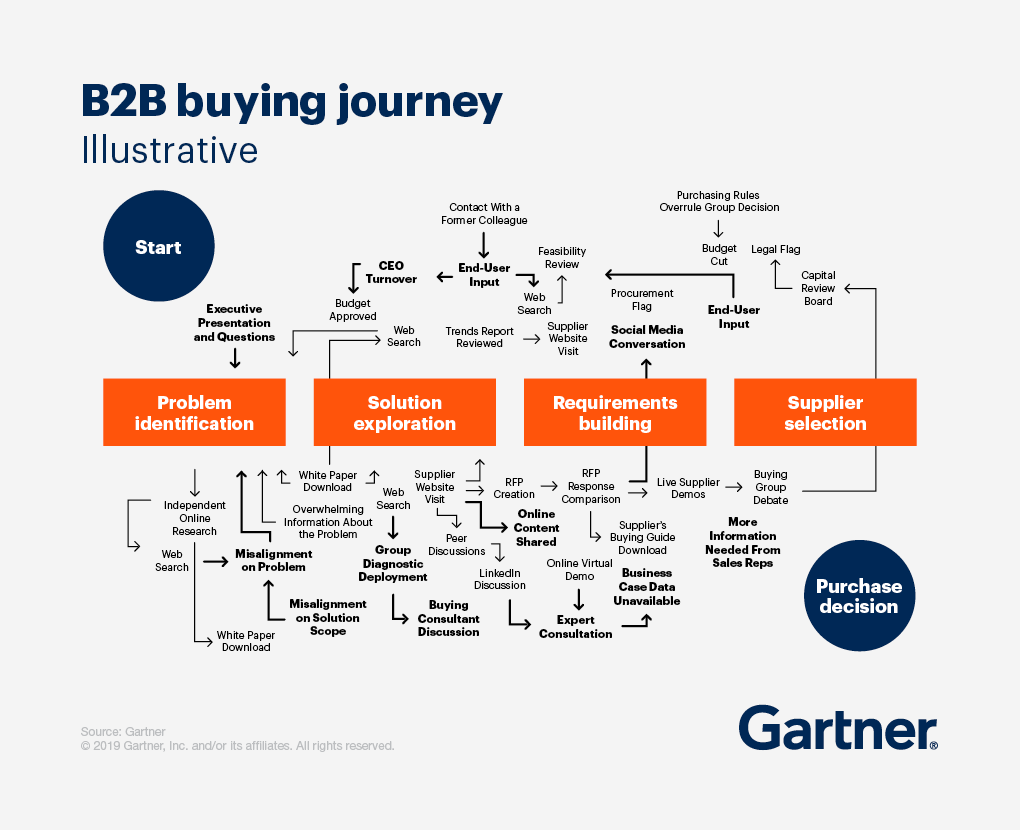
B2B data differs from B2C, and so do the strategies for analyzing and using this data. However, this is not a barrier, but an opportunity for customization. B2B sales cycles are much longer, with multiple touchpoints involving more than one decision-maker. B2B analytics are best applied to marketing strategies that are optimized for these differences, such as account-based marketing (ABM). This adaptability ensures that B2B marketing analytics can be tailored to your specific business needs.
Five benefits of data analysis in B2B marketing analytics
1. Improved targeting and segmentation
Targeting quality leads with the right content and channels is essential to the success of any B2B marketing campaign. Analyzing demographics, firmographics, and user behavior can help you accurately identify high-quality leads and serve them the marketing content with the highest potential to convert.
Once they’re in your sales funnel, analysis of the data related to their buyer journey can tell you how ready they are to finalize a purchase and which product features you should emphasize for the best chance of winning the sale.
2. Enhanced personalization and customer experience
Much of the data you’ll collect concerns how prospects interact with your organization and engage with your content. By factoring accurate customer personas and behavior into your strategy, you’ll be able to create a better customer experience and personalize your content to your buyers’ interests and preferences.
3. Measurement of ROI and attribution
With reliable performance metrics and attribution, measuring marketing success or clearly defining which elements contribute the most toward converting leads can be easy. Data analytics can uncover the answers to these questions, helping you create more efficient, optimized campaigns.
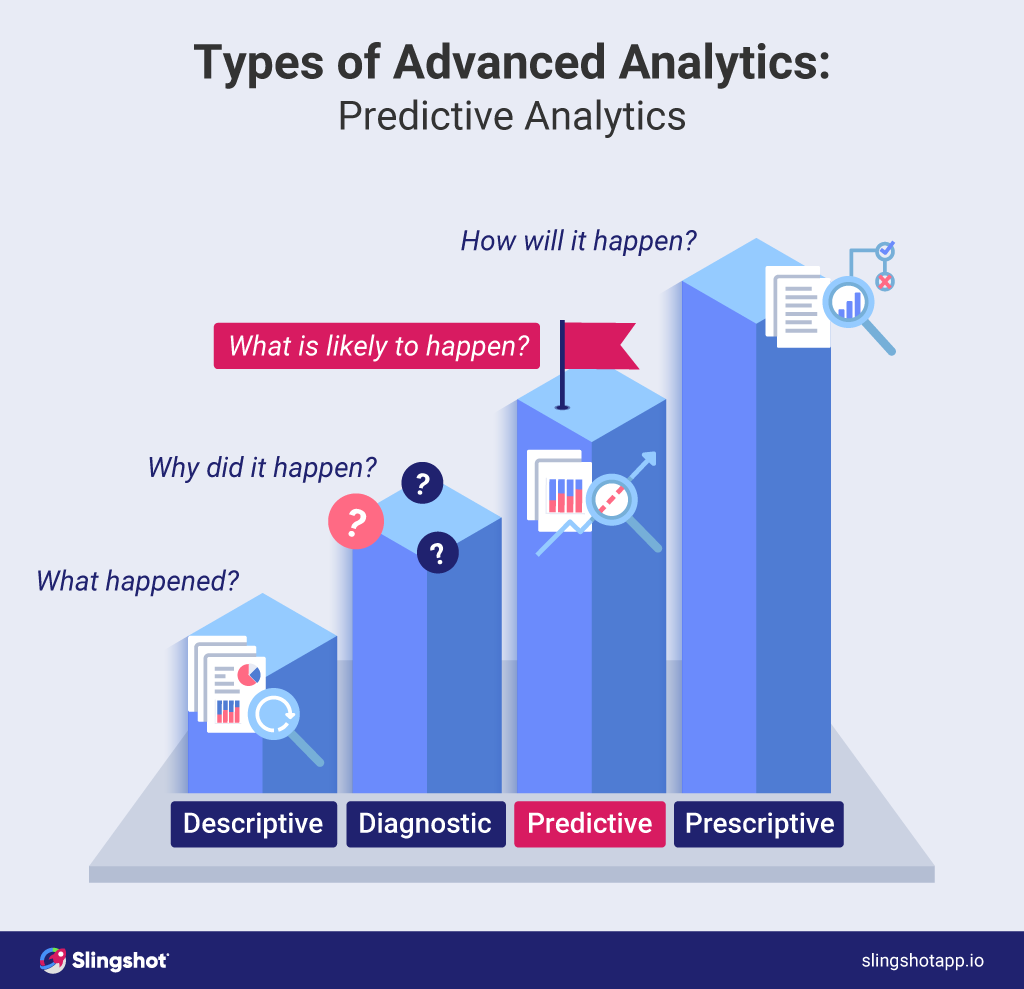
4. Predictive analytics for forecasting
Analytics can reveal the predictive quality of extensive and detailed data sets. Revenue projections help you budget and plan for lean seasons. Market forecasting can give you the best chance of capitalizing on emerging trends before your competitors do and clue you into the product features that next year’s buyers will be looking for. Anticipating economic shifts that will impact your market can help to reduce risk and uncertainty.
5. Continuous improvement and innovation
If you know which KPIs to measure, the data will show you in no uncertain terms which of your marketing activities are delivering satisfactory results and which ones are underperforming. Deeper analytics can generate
insights that can point toward specific steps you can take to modify your approach, whether that means slight adjustments or a total overhaul. Given the long sales cycles in the B2B market, identifying problems and correcting the course of an in-progress campaign is a must.
Essential tools and data sources for B2B marketing analytics
Market research
Understanding the market landscape is critical to B2B success. Sites like Statista provide up-to-date research and reporting on various markets, and tools like Crunchbase can help you gather intelligence on your competitors. Knowing your market well will also allow you to recognize essential industry benchmarks and identify the most relevant KPIs to your business goals.
Website analytics
Site trackers like Matomo or the ubiquitous Google Analytics provide information about website traffic, conversions, and user behavior. Such tools are vital sources of information on how leads are engaging with your website and can show you how to optimize the design and content of your site for a higher conversion rate.
Customer relationship management (CRM)
A robust Customer Relationship Management (CRM) system like HubSpot or Salesforce can serve as a repository of customer data—not just contact information and demographics but also preferences, user behavior, and feedback. You can use this information to construct customer personas, map out appropriate audience segments, improve targeting, and track the progression of the buyer journey.
Marketing automation
Digital marketing requires a constant flow of content, outreach, and engagement. Trying to keep up manually can quickly become overwhelming, especially at scale. Marketing automation tools like Marketo and Pardot can automate data collection, reporting, feedback solicitation, and other tasks that support your marketing analytics.
Social media analytics
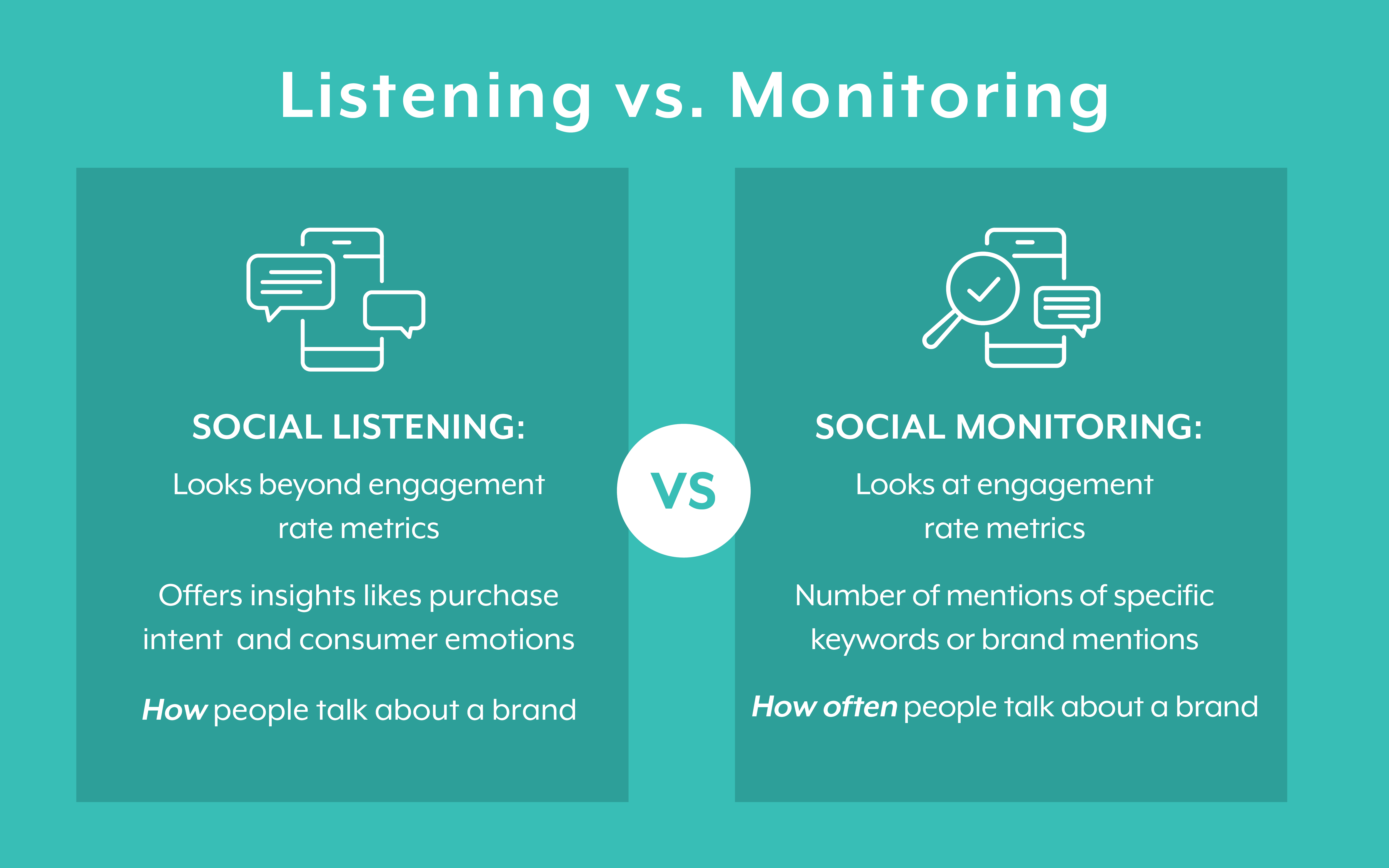
Social media has become the primary channel for connecting with buyers, maintaining an ongoing dialogue with customers, and providing a rich source of data and feedback. Social media marketing platforms like Oktopost can provide you with B2B social listening to help you monitor conversations online that are pertinent to your niche. They also provide engagement metrics like mentions and shares, so you can increase the quality and frequency of your customer engagement.
Campaign management
Marketing automation platforms like HubSpot manage the core elements of your marketing campaigns and will often track KPIs invaluable for analytics, such as conversion, clickthrough, engagement, and bounce rates. These platforms frequently include reporting, analytics, and attribution features and can provide the tools and resources you need to implement your data-driven strategies.
Customer feedback
There’s no better source of information for what your customers think about your products, content, messaging, and brand image than the customers themselves. In addition to the data you can glean from site trackers, CRMs, community management software, and social media tools, direct requests for feedback can be an effective way to get a clear picture of what your customers want from you. Tools like Qualtrics and SurveyMonkey can automate this process and help you turn customer feedback into valuable insights.
Data visualization
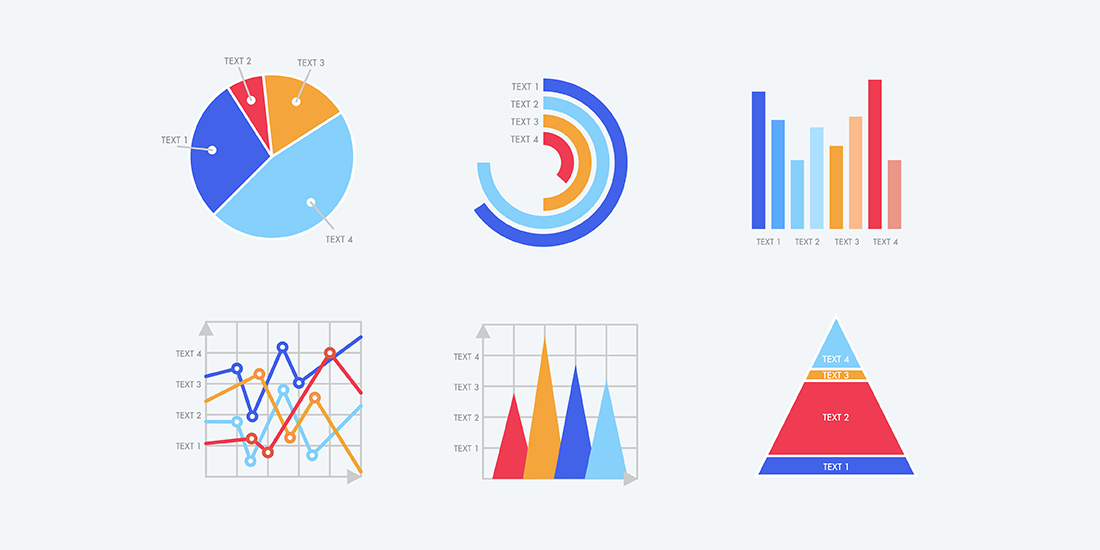
Raw numbers can be complex to understand. Tableau, Infogram, and similar tools can convert your analytics output into charts and infographics that clearly emphasize the key findings. Data visualizations are essential for communicating the meaning and impact of your analytics, especially to other stakeholders within your organization.
Making the most out of your B2B marketing data
Start by defining your marketing goals—for a specific campaign, the year, and your overall growth plan. Then, you can determine which metrics to track for each goal and what insights will be helpful for decision-making. Campaign-specific conversion data, for example, will always be highly relevant to the campaign that generates it, but it may be less significant for your big-picture goals.
With new technologies like AI and machine learning in play, data analytics is expanding in sophistication and potential. Market forecasting is becoming more accurate, and content personalization is nearly effortless, and strategic insights can account for more complex variables.
B2B companies need new software tools and procedures to utilize their data effectively. At a minimum, regularly sharing reports and insights with your team, the sales team, management, and others within your organization can be an excellent way to brainstorm and plan the next steps. It’s also essential to keep your data organized and well-governed—a specific team member should be in charge of maintaining data integrity.
You’ll benefit significantly from having tools that can integrate to share data and offer a more comprehensive view. Oktopost, for example, integrates with popular CRM platforms like HubSpot and Salesforce to make it easier to understand and draw insights from the customer journey.
The right tools turn insights into action
New methods of gathering and analyzing B2B marketing data can reveal unprecedented scope and detail, delivering powerful insights into ways to find, reach, and convert buyers. While keeping up with the rapid evolution of B2B marketing analytics can be challenging, the right tools can help you keep pace and maximize your data.
Oktopost offers an automated, integrated solution for managing social media across platforms. You can also leverage its social listening features to gain deeper insights into your customers’ preferences, behaviors, and sentiments toward your brand. Gathering and analyzing this data is made easier through a centralized management hub. Explore more here.