


- Start with buyer personas, since knowing the individual reader shapes which topics and tone to use.
- Employee-written posts add credibility and variety that a single branded voice can't match alone.
- Match blog content to funnel stage; a blog full of product posts alone won't generate or nurture leads.
- Track sharing and performance with dedicated tools, like URL shorteners and CRM-fed analytics, not just pageviews.
Businesses today have little choice but to include blogging in their B2B marketing strategy. As the B2B sales processes adjust to the “new normal” introduced by COVID-19, B2B blogging has its moment in the spotlight. All the while, digital marketing budgets are dwindling.
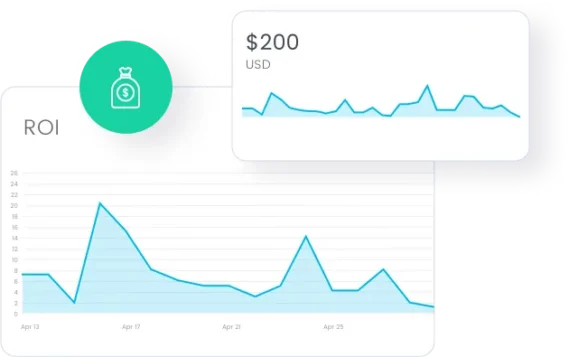
Today, B2B blogs need to show measurable results and a positive ROI to justify their investment in them. How can you, as a B2B marketer or business owner, do this?
How to gain positive ROI from B2B blogs
1. Know your audience
The first step is crafting your buyer personas. A well-crafted buyer persona leads you to decide which topics are relevant. Once you understand the individuals (rather than a group of people), you can anticipate your ideal buyer’s questions, what solutions they need, and what values resonate with them.
Knowing your audience on such an intimate level will also help you discern your brand’s “voice” in your blog.

2. Humanize your brand
You need to give your brand a unique voice to resonate with your followers. Refining such a voice is a process that considers your brand values and corporate culture, as well as your aforementioned buyer personas.
An excellent start approach is observing how your target audience discusses relevant topics. This way, your voice can match theirs in style, language, and use of industry terms. It can also help you choose your blog post authors.
3. Let your employees blog
Employees are often an untapped resource for business blogs. As stakeholders in the company, they can offer unique and relevant insights to readers.
Moreover, having an employee advocacy program that leverages real employees instead of a nameless admin account on a corporate blog can go a long way in establishing trust. Employee-produced content in your blog can (and should) be part of your employee advocacy strategy.
4. Craft content to match your funnel
B2B sales are customer journeys (or funnels, if you will). As you create content, consider where your potential reader resides in the funnel. The goal is to produce content that can accompany your prospects and add value throughout the funnel from top to bottom, pushing them along.
This means you can’t expect success with a blog full of posts about your products and services (lower funnel phases). Nor can you expect leads and sales if all you do is “beat around the bush” with top-funnel articles.
5. Plan a content calendar
A content or editorial calendar will ensure your blog doesn’t suddenly go quiet for too long or bombard followers with a mass of posts over a short period of time. It also facilitates accountability, prioritization, and goal alignment within your team.
Remember your marketing funnel when planning a content calendar. Such synchronization is vital if you want to consistently supply relevant and fresh content for every buyer persona at every step of the funnel.
 6. Leverage multimedia & interactive content
 6. Leverage multimedia & interactive content
Let’s face it: blog posts as massive walls of text are pretty grating to consume. So, to keep readers engaged, multimedia elements like infographics, product images, and memes help.
Multimedia in your blog posts will also help you get discovered. Google Images indexes photos and infographics in its results and can often be a source of organic web traffic.
You should also consider employing interactive content, such as quizzes and surveys. These not only add variety to your blog but can also capture leads.
7. Make measurable sharing easy
Tracking your website and blog traffic is relatively straightforward. Monitoring your content’s performance beyond the pages of your website or app is more nuanced. Measuring social media sharing requires extra effort and the use of the proper tools if you want to measure the ROI in your blog posts.
Helpful web traffic attribution tools include URL-shortening services (like Rebrandly) and optimizing the placement of social sharing buttons.
 8. Track and optimize
 8. Track and optimize
Once you’ve implemented some (or all) of our tips, you want to discover which yield results and which do not. To do so, you must track your blog’s performance and its posts across platforms, target audiences, geographies, and stages in your funnel. Tracking and optimizing means employing web analytics, social listening tools, and other resources, finally feeding the data collected into your CRM.
Don’t be afraid to mix and match to explore content niches, keyword groups, and approaches to see what works best and adds most to the bottom line.
Since blogging is an old art, the keys are innovation and experimentation. Today’s Measurement and tracking tools allow us to gauge the effectiveness of B2B content in lead generation on a much higher level than ever before.
Armed with data, multimedia creativity, and well-organized content calendars and conversion funnels, B2B marketers today can (and should) leverage blogs to generate and nurture leads.