0:00
Alina Dallal
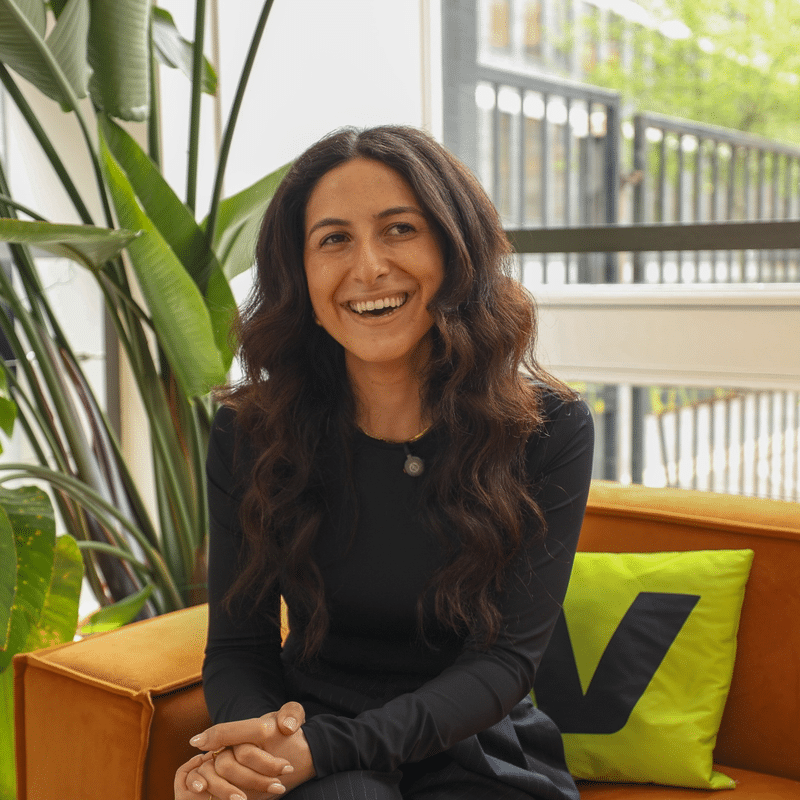
Hi, everybody, and welcome to today's webinar. From program to movement, the three secrets to an unstoppable employee advocacy program. I'm Alina Delal. I am the content marketing manager here at Oktopost and I will be your host today. We'd love to hear from you. So please drop your questions in the Q and A and we'll cover them at the end. We also have Jamie here from Oktopost in the chat ready to answer any questions you guys have during our session. And don't worry, all of you are going to get the recording after the webinar. So today we're talking about employee advocacy. Everyone knows employee advocacy matters. We're past the why. The real question is, how do you make the program stand out and how do you make it stick? So today we're diving into the three secrets behind turning a typical employee advocacy program into a true movement. One that's employee first, culture driven and built for long term impact. And I brought you the perfect guest to break it down. I cannot wait to introduce you to them. So Sarah has built a program that's not just effective, it's really inspiring. She knows how to rally people, she knows how to train advocates and make everything feel fun and personal. And her Oktopost roadshows are legendary and I know she's going to go into them soon. And we also have Ali with us who is incredible. She has led a full on advocacy comeback at hibob. What she's built is the program that everybody is begging to be part of. She's embedded it into the culture and the results truly speak for themselves. And I'm so excited for her to share them with you. So without further ado, let's kick things off with some introductions. Ale, Sarah, can you tell us a little bit about yourself, your role and your favorite win or proudest moment from running an employee advocacy program? Ale, I'm going to start with you.
1:37
Ale Schlesinger
Hi everyone. My name is Ale. It's a difficult name. I know it's short for Alexandra. My parents are originally from Argentina and then I was raised in Miami. So I do have a little bit of a strange name. I don't know if there's anyone here in the chat from Miami or Argentina, but hello. And I have been at Hibob for almost four years. In that time, I have relaunched our advocacy program twice, actually. Kind of always moving with it and trying to figure out what is the most successful way to run our program. And as for a win, I would have to say it's that I get Daily messages from employees asking to join the program. I think that is, it's really exciting that, you know, people are. And I, I don't even have enough seats. I have to be constantly like switching people out and whatever it is. And got to the point where I had to like bring in our IT team and ask them to make it so that people are automatically removed when they haven't been active for 90 days. So that there's constantly space for people because it was becoming a full job, full time job to add new people. And I love that it's so exciting for them that they constantly want to be a part of it.
2:59
Alina Dallal
Amazing. And that's an insane win. I told you guys she had people begging to join her program. And it's true. Sarah, how about you tell us a little about yourself and your favorite win?
3:10
Sarah Hankins
Okay. Well, I'm Sarah Higgins, senior marketing content specialist at cviz. About Me I am from Los Angeles. So if anyone's in the west coast right now, good morning and love dogs and karaoke. Just on the personal side, but I would say if I had to choose a win. Last year we exceeded our lead generation goal. We hit the goal at the end of Q2 and it just like ballooned from there. And this year we're kind of on track to do the same thing. So I don't know if I'm just too conservative my goal setting, but I'll just say that it's because our advocacy program and our advocates in particular are really killing it. So that's a good one.
4:01
Alina Dallal
Oh, sorry. I think I lost my connection.
4:14
Sarah Hankins
Are we back?
4:15
Alina Dallal
I think I'm back. Sorry, I think I lost my connection there for a second. Can you hear me?
4:20
Sarah Hankins
Yeah, I can hear you.
4:21
Alina Dallal
Perfect. Sorry, I lost, I lost the connection there. But thank you for sharing your win. And we're going to move on to the first question. Sarah, I can't wait to hear from you because I know how passionate you feel about this. Before we dive into the examples, can you, can you walk us through the three key ingredients to successful employee advocacy program and why they matter?
4:41
Sarah Hankins
Absolutely. So, I mean, I think every program manager has their own kind of secret recipe, but I would say there's three really key ingredients that we've all kind of come to know to have a really successful and standout program. The first one is education. You can have a really great program with lots of great content, but it's not going to really do anything for you if your advocates don't really know how to participate. So the first one, education really is about being able to offer trainings or resources that can help empower your advocates to leverage the program to stand out as thought leaders and really breaking down any barriers to entry that they may have so that they can take part. The second one is incentives. So this is basically what I would say is the why, like why should your advocates participate? It's really great to communicate the value to your advocates, both for the whole organization, but also for themselves. Like, how is this going to promote their personal brand or make them stand out as a thought leader. So this can be anything from offering contests, having prizes available, etc. Just to kind of rally up some kind of excitement about the program. And the last one is communication. So I would kind of think of this as creating a two way channel communication, making sure that your advocates know that they can come to you and who to go to to have suggestions or feedback, and then being able to really, truly implement it or at least understand where they're coming from. And also really vitally important is to communicate wins. I think that that's a big kind of part of the communication aspect as well.
6:24
Alina Dallal
Absolutely. Those three are very key to turning an employee advocacy program from a typical one to a movement. So thank you for sharing those three for us and I'd like to stick with you and zoom into the first one, which was education. So at Oktopost, we always talk about cbizzers roadshows and training sessions. I called it out in the beginning. We love to hear about them and they're legendary to us. So could you take us behind the scenes on how you educate and prepare your employees to become standout advocates for your brand?
6:51
Sarah Hankins
Absolutely. So I'm very glad that my the road shows legendary for you because I feel like it's legendary at cbiz. Honestly. It all started with one in person training that I held in Kansas City. I just was visiting there and I decided to, instead of doing something virtual, I did something in person. And I couldn't believe how much buzz it generated. People were like walking through the hallways, hey, come, come down the hallway to check out what this person's talking about called Oktopost. Like they didn't know what it was even. But through the training I was able to get them kind of understand what it is and even get involved. And that kind of had a light bulb moment for me where I thought, how about I actually expand upon this and do a 12 session, 12 month roadshow where I go into our 12 major or some of our major offices at CBIZ, have an in person training where I dive into things like updating your LinkedIn profile, optimizing or leveraging Oktopost to be a thought leader and things like that. Everything related to social, essentially I communicated with our marketing teams to put together Lunch and learns, which is what you're looking at on the screen. It was open up to everybody in the office. We had really great turnouts and it was a really great opportunity to generate buzz, excitement, be able to educate people and on board people at the same time. So it was extremely successful. I got a ton of people to join from these roadshows and I'm actually really excited to potentially do something like this in the future. So I really recommend it for anybody who might have the idea or the resources on their team to consider it. And beyond the roadshow, I will say that if you can't do something as grand is what I'm talking about, doing virtual trainings by office or maybe by team. And it's also a really good way of making sure that you are continuing to educate your people even if you're not able to see them in person.
8:48
Alina Dallal
Yeah, absolutely. Definitely. If you can go in person and meet everybody and help train them, you can definitely build up bars. But it's also something that can definitely be replaced by doing it across zoom. Loads of us are doing it and it's also extremely effective. But as I said, we love hearing about the Oktopost roadshows and if they do get renewed, please tell us about them and send us photos because we love to see it. I'd love to move on to the next question. So this is probably my personal favorite part of any advocacy program, which is incentives. I run the advocacy program here at Oktopost and I love doing this part. Both of you have done such an incredible job using competitions and gamification to drive participation. So can you share how you approached it and the types of contests you've won and what's worked particularly well? Ali, I'm going to start with you.
9:35
Ale Schlesinger
Yeah. So the way that we approach the prizes at Hibob is we have three quarterly winners. A first place, second place and third place winner, with the first place winner getting a 900 gift card. And then we, in addition to that, we have a yearly winner that gets a fifteen hundred dollar gift card. So it is an exciting prize. It is something that kind of like excites people and everybody wants, which I think is great. But I think the most important thing when it comes to gamification and contests is that you still need to make the program itself like the advocacy program itself are relevant. To the advocates, because it's not enough to just have a great prize, right. They still need to like actually want to play the game, so to speak. So they want to be posting. They want to know that they're getting value from every effort that they make into the program, even if it's not, even if they're not the first place winners. Because at the end of the day, you know, you have a leaderboard and Oktopost, which I love and it's amazing and that they can track their progress. But if it was just about the prize, the second they see, oh, I have no chance of getting first place and they just drop from the program. And I've seen that, I've seen that with my like my people that in the beginning they're so excited, they're so into it. I'm going to win, I'm going to win. They see, you know, that they're not winning for whatever reason and then they kind of like lose steam. But I see that they continue posting and they continue doing it because they understand the value that they're getting from being an advocate for their own personal brand, even if they're not going to win the prize. Another thing that I would really, that I think works really well for us is that we also switch up every quarter, right? I said we have our quarterly winners and we switch up the game every quarter because if we're going to say every quarter who has the most amount of points, then it can very well just be the person that has, you know, the most like responsive network is always going to win this way. Even if they kind of are disappointed because they have a lot less points next quarter they may have. They. It's not like super discouraging because they'll just try again next quarter because one quarter will allot more value to engagement or posting and things like that, whereas in another quarter it'll be if you have an accepted suggestion, you'll get more points. So we're constantly changing the game to keep it interesting and I think that that is a huge part of it.
12:02
Alina Dallal
Yeah, definitely. Keeping the rules fresh and changing each time will keep everybody enthusiastic. And as you're saying, giving everybody a chance to win, no matter if they're a social expert in their own right or they're just starting out, will make people want to get more involved. So it's a really important point that you highlighted. Third, Sarah, how about you? Do you have anything similar or have you done something's different?
12:24
Sarah Hankins
Yes. And Ally, I was literally taking mental notes as we were talking because Everything you said is so true. I run into something similar, so I'll talk about that. But I just want to emphasize that incentives are so important, especially because to me, it kind of feels like an icebreaker moment to new advocates. Maybe they're skeptical, really know if they want to participate. They don't see. Maybe they don't see the value for them personally. And the. It's kind of like. I don't want to call it the Trojan horse, but it is, it makes people. It allows people to participate because they want that incentive. And then they stick around because they see that there's value beyond just whatever the prize is. So we don't have anything quite as large as gift cards of $900 on our side with Steve is. But we do offer some things like swag bags, speakers, prizes, etc. And usually we'll give these out during our. We'll have like gravels after some certain trainings or we'll use the leaderboard and pick people based off of merit. Or sometimes, as Ali mentioned, it's good to switch it up and we'll sometimes do kind of a randomized thing. So I'll sometimes make a contest where if you share three posts a before July 1st or whatever the time period is, you will be entered into the running for a random prize of which there will be two winners. And in that way, people don't feel discouraged that they're never going to be first on the leaderboard. They still have a chance to win. But I also like to make sure to reward people by merit, too. So I, I do that where I switch it up depending on what I did last time, I'll do something different the next time just so that everybody kind of feels like they can have something to win. And then from there, people tend to stick around and get used to it because now they have this muscle memory. They've been using it because they've been trying to get this prize and now the prize is taken out of the equation. They still use it because it's part of their, their system. So it's a really important aspect in my opinion.
14:29
Alina Dallal
Yeah, definitely. I couldn't agree with you more. And it's a really good.
14:32
Ale Schlesinger
I love that raffle idea.
14:33
Alina Dallal
Yeah. Gonna say I might take the raffle.
14:37
Sarah Hankins
Do, please, Ste.
14:39
Alina Dallal
Amazing. So we're going to move on to the next question. Ali, I want to stick with you. Of course, as you've mentioned, incentives often come with a price tag and securing budgets for things like big prices isn't always easy. So how do you go about getting leadership buy in and making the case internally to invest in advocacy.
14:58
Ale Schlesinger
I mean, the answer is data, or data, whatever, however you want to pronounce it. I think that's always honestly the answer in these kinds of things. Before we relaunch the program, I put together a deck of all the different data that I had to show why it was important. And I think the most important thing, my like sentence that I take with me for everything that has to do with advocacy is what's in it for you? And that's from the advocate to, you know, leadership, the people that are investing the money into it to show them the value that they're getting. Also to the managers.
15:32
Sarah Hankins
Right.
15:33
Ale Schlesinger
When we want to get managers to encourage their people, everyone needs to understand what value they get from the program. And the way that you prove that value is with the numbers. So I think it's really important to show, for example, I mean, I assume that it's, you know, nothing new for me to say at this point that you're having an advocacy program exponentially increases your reach and the impressions that you're able to get to your page and to your company and increases your brand awareness. So kind of showing that, showing those numbers, whether it be if you're starting from zero, then you know, bring in use cases. And I'm sure that if you're using Oktopost, your CSM or whatever will help you build those like cases. But like bring in numbers from other companies that you can show if you're relaunching the program like I did, then you can show based on your past success at your past, even if you didn't feel like the program itself was the most successful. In my case, I did feel like it was successful, but I just wanted it to be even better. But so you always can show, I mean it's, it's always going to be that when you have X amount of people sharing something and talking about something, they're going to get more reach than just the company. Especially if we talk, if we delve into all the like algorithm stuff with LinkedIn and how, you know, it, companies are being more and more like shadow banned, for lack of a better word. It's not exactly shadow banning, but like companies are not being given really real estate on people's feeds anymore. So adding in those advocates and showing this, the sea level and the leadership, the amount of reach that you can get from leveraging this kind of program, I think that is really the most important thing.
17:16
Alina Dallal
Absolutely. And as you're saying, showing them the results and Showing them what's in for them. The same as you're saying from communicating to your advocates of this is what you could do and what you could achieve and to your sales team, this is what you can achieve.
17:26
Ale Schlesinger
Exactly.
17:27
Alina Dallal
Making the exact same case to leadership for them to really have backing for an employee advocacy program which as we know in B2B is something we all need. You've mentioned the algorithm, so I couldn't agree with what you've said more. Moving on to the next one, let's move on to our third and final ingredient which is communication. Sarah, how do you make sure your advocates feel heard and appreciated? Appreciate. Appreciated. And how do you keep communication flowing between you and them as the program leader?
17:55
Sarah Hankins
Absolutely. So I, I try and establish this from the get go. All of my onboardings are very personal. I send it from my personal email. I, I try and make sure that they understand that they can reach out to me if they have any feedback, questions etc and that there I really will be there for them. I think that that's really important because some people just might not use the program because one little roadblock is in front of them and if they know that they can reach out to you, you can definitely address can also really make the program better. I get it all the time where people have suggestions for how I can some something I can do to make the program better to them. Maybe they're in their specific service, maybe their specific role and I take that feedback and I try really to mull it over, make sure that I understand what they're asking and I do try and implement it. So I think that it's important to be very personal, especially when you're running a program, even if it's really big. Still having some baseline personalization is really important. And another crucial thing I would say is that's part of this is making sure that you're communicating the outcomes of the program. I think Ali probably agrees that the numbers don't lie. So I like to tell people what those numbers are. I'll do quarterly trainings where I recap. I always usually start with the the stats from last quarter. Then I also do an Oktopost wrapped which is kind of similar to the Spotify Raft. I think I stole that from them. But it's a video at the end of the year that I put together where I showcase year to date stats or full year stats as well as kind of highlighting some of our really amazing advocates and some of the top performers there. And then I send it out to everybody linking also A survey where they can put suggestions or ideas for next year. I think it's really fun. People always respond to it, saying that they promise they're going to be in the Optimist wrap the next year. So it gets people engaged, but it's also just amazing because some people just don't know what their posts are doing for our company. So I like to let them in on how they're actually making a huge impact and it helps keep them very motivated. So just being able to communicate wins. Communicating feedback, being able to take that feedback, all of it is essential to a really great program.
20:16
Alina Dallal
Yeah, absolutely. Communication is key and making sure they feel heard and seen will make them want to be a part of the program. And as you said with surveys, what I will add is when you implement something they've given you, the feedback they've given you, then they'll feel like the program is theirs also and they'll feel a part of it. And some things are obvious to us as marketers aren't obvious to non marketers. So.
20:38
Sarah Hankins
Right.
20:39
Alina Dallal
Any ways that we can also help out and communicate and help them with whether it's best practices or things that we think that, oh well, we don't have to explain. We might actually have to explain the same way with another department with us. So definitely keeping that communication alive and thriving is really important. Ali, I want to move over to you. You've recently relaunched your advocacy program and I know that it's doing really well. Looking back at everything you've learned, what were some of the key things you intentionally did differently this time around?
21:09
Ale Schlesinger
I think that education, as Sarah was saying earlier, was a huge component. We brought in our CSM and in Oktopost Solutions expert, shout out to Josh and Fumi if they're here to really kind of give sessions and really get into all the details. It was a process. It started out with me a week or two before the relaunch, like the official relaunch of it. First of all, we tied our relaunch in with the new Oktopost leaderboard and point system. So we kind of left our point system. We did. We didn't implement the point system until I was ready to relaunch. I apologize to the entire Oktopost team that kept asking me when I was going to do it so that they could appreciate it. But once we were ready, we kind of announced that there was going to be a. A new leaderboard and a new point system and that it was going to come along with more. With more exciting incentives and more exciting gamification. Then we I sent this out in Bob, which is if anyone who doesn't know, a little shameless Plug Bob is an HR platform that kind of turns your company also into like a social media feed. So we always have like announcements and shout outs going on through Bob's. So in that I posted kind of an announcement of what it was going to be with kind of like the highlights of this is what the advocacy program is. Here's what's in it for you. And keeping it, like keeping that text as simple as possible, but linking to the deck. So if people wanted to kind of like really get into the nitty gritty of what it is, there was a deck that they could see. What exactly is an advocacy program and what exactly is Oktopost? I then invited the entire company to two or three, I can't remember, different sessions that they could choose from according to time zones because we have people all over the world and those sessions were led by Fumi and Josh and I then emailed all of. So one thing I will say is that though we welcome and encourage everyone to join the advocacy program, we kind of make a point that anyone who is prospect and customer facing and hr, since we are an HR company, that they all are, it's really important that they're a part of it. So before the training sessions, I emailed all of those leaders and said, please make it mandatory for your team to join one of these sessions, whichever one it may be. We recorded the sessions, of course, and send that out as well. And we really focused on the training session, made it a long session, talked about again, what's in it for you? What's in it for you. That was really the theme of it the whole time. That was when I worked with the Oktopost team to kind of put together the way we were going to do the training. I said, every feature that you talk about, please tie it back into what they're getting out of it. And I think that kind of education was a huge part of it. And also the constant communication keeping it going, which Sarah also mentioned. So, so at the end of every quarter, we post the winners in Bob. So we say, here are this quarter's winners, Congratulations, here's what you won. And then that first of all reminds the whole company of the program that it exists, what it is, and that. And we also are able to kind of like refresh their minds about it. And we announce also, this is going to be what the new point system is. And here's everything kind of you need to know so that it's always kind of refreshed in their mind. We also made it. I know that we're going to be talking later on about HR's involvement, but also we made it a part of the onboarding process. So I'll go into a little bit more details about that later. But I think these are all huge parts of what made it a success. And we did see, I mean we launched it at the beginning of this quarter and, and in the first two months of the program compared to the previous two months we saw. I just have it open on my other screen, I have my report. We saw a 155% increase in the amount of posts, 117% increase in the reach that we're getting as a company like from all of their posts together and a 90% increase in the amount of sessions. So we logged 8.4 thousand sessions in those two months which is 90% higher than it was the previous two months. So something is working which I'm really excited about.
25:49
Alina Dallal
Definitely already clinically worked and bringing in all these different aspects really does make a difference. And you have all three ingredients in everything you just described. So that's really how you can take it from a program to a movement. And I want to stick with you because I know we also mentioned that you were going to go into HR a little bit since you sit within marketing in HR tech company. I can't help but ask you, I'd love to hear your perspective. What role does HR play in supporting advocacy? And as well as that, are there other teams that you think are essential to involve for long term success?
26:21
Ale Schlesinger
Yeah, so I think a biggest part of it was also automation which is where HR and IT both really came in. Um, as I said, I alluded to it earlier that you know, it's a little, it's become a full full time job to like make sure that all of the seats are like properly allocated and that people who have left the company, I need to remove their seats or and you know, especially since we're looking at customer and prospect facing sales in general across tech seems to be they have a higher turnover so it's kind of hard to keep track of like how many seats are taken, are they going to the right people? Every time we have a new joiner, giving them access, giving them a seat. So I really wanted to automate the, the technical parts of it as much as possible so that we could keep the education and the gamification personal. So the way that we did that was I. So as I mentioned before, Bob is an HR platform and it kind of helps manage everything that has to do with hr. And a part of that is onboarding. So when you're a new joiner at any company that uses Bob, you get tasks for onboarding through BOB that like, now fill out this questionnaire, now do this training session, now do that and you go through and that's how you do your onboarding. So as are a part of onboarding, I spoke to our HR team and we added becoming an advocate to the onboarding process. So right from originally, we actually had it from week two and then I've asked them, I asked them a couple weeks ago to change it to week one because I was getting messages of people that wanted to join that just hadn't got in to week two yet. So they hadn't gotten that task yet. So I was like, let's move it up. But so as soon as they join in week one, they get this task, become an advocate, join Oktopost. In that task. They have a link to the recording session that we did that I mentioned earlier. So if there are new joiners and they missed it, now they have the link. They have a link to the deck that explains what advocacy is, what Oktopost is. They have a link to. They have a link to the current point system and the prizes. So for what? So I have a deck that I update every quarter with. These are the points. Like this is what you'll get points for and this is what the prizes. So they'll have all that information, basically giving them all the information as soon as they join and obviously, you know, telling them who to speak to if they have any questions and all of that kind of thing. But really making it a process where as soon as they join, they know about it, they know what's in it for them, they know what they get out of it and they know why they should join and how to join. I also include a link directly. We used to do it a long time ago that I would email everyone that was a new joiner that needed to become an advocate. I would email them an invite invitation or add them manually through Oktopost. I now have a link in that task that they can just sign themselves up. So if there. And we also. And then together with that, that's where it came in that we use Okta as our sso, which yes, can get very confusing because we have OCTA and Oktopost, but so they automatically, all of these people that are customer prospect, customer facing, prospect facing nhr, they automatically have it on their octo dashboard as soon as they join. So it's all ready for them. All they have to do is click on the link, put in their email address, sign them through SSO and they're done. And together with that we also have, we also worked with it to set it up that anyone who is inactive for 90 days, they're automatically removed. They, they lose their seat and therefore it's constantly moving. And I don't have to worry one by one about each person. And I'll get slack messages at least a few times a week saying, hi, I used to have Oktopost access and now I don't. I don'. Know what happened. And I'm like, I know what happened. And I say, so I send them the link and I'm like, here you go. Feel free to sign yourself up again, but please be aware if you're inactive for 90 days, you will be automatically removed. It also kind of makes it friendlier in those situations because I don't have to be, I don't have to like, be like, oh, I'm so sorry I had to remove you. I have to be like, it's automatic. I had nothing to do with it. Go ahead, register yourself up again. But it's going to happen again if, yeah, I can't help it. So that's a huge part of it. And I highly recommend whenever possible, including HR and it, for those things.
30:54
Alina Dallal
Absolutely. I love what you've done here because you've also bettered it across other departments as well. And the fact that things like this happen automatically, it's really part of the culture you have built at high bob around advocacy and having it from the get go when they're on boarding. And I'm not surprised. People are begging to be part of it in week one. They can't wait till week two of their job. But having a part of it, giving them all the links, you're, you're giving them everything they need. They're not chasing for anything. They're not running to find things because of all the stuff that they're doing. You have to make advocacy as easy and as exciting as possible, which is what you're doing. I want to move on to the next question. Let's talk tech for a moment. In both of your experiences, does the platform you use to manage your employee advocacy program make a difference? Sarah, I'm going to start with you.
31:39
Sarah Hankins
Yes. So I'm going to be biased here because we've never used anything other than Oktopost at the CBS side. But I can say without a doubt, it's been such a great platform. And if we're speaking technically. Our support has been amazing. Every suggestion that I have been given by like let's say somebody gives me feedback about how to improve the program, I can give it to Oktopost and I know that it's going to be investigated, it might be implemented. It's super important that I know that I have that kind of ability to influence the program like that. It's also nice because it's something that exists 24. 7 online. I know that there are other advocacy platform advocacy programs that are just like email based only. So I just know that Oktopost has a lot of great things. So this might be my shameless plug for you but I really do think it matters and I've been very happy or CBs has been very happy.
32:32
Ale Schlesinger
Amazing.
32:33
Alina Dallal
We love to hear and ale how about you?
32:36
Ale Schlesinger
The answer is yes 100% the program, the platform that you use or if you use one at all. Because I know there are companies that kind of try to have an advocacy program without having the tech. I don't think that's super realistic and I think that having the right platform for you and I'll try to be unbiased here saying that, I mean I will get biased in a minute but even if it's not Oktopost, right? I don't know if I'm allowed to say that. But you do have to I think do the research and look into to which platform is going to work best for your company. And I did that when I joined Hi Bob. We had, we already were using Oktopost and my manager at the time who is no longer my manager but I think she's actually on this call so. Hi Zoe, if you're here she said to me this is what we use, we use Oktopost, we can still use it. You can do something else if you want, do your research, let me know what you decide. And so I did and I think that's so important. I want, I looked at all of the research, I looked at all of the different platforms. I won't name competitors here but I do like we looked at what they offer and I did a lot of research into yes the money part of it like which is going to be the most cost effective as well as which is going to give me the most amount of features and give me the most robust platform. Obviously I chose Oktopost so there comes my bias but I think that it 100% makes a difference to have the platform that works for your needs. And yeah, I mean I could go on and on, on why I chose Oktopost but I don't know if that's what we're here to do. But yes, the answer is it 100% makes a difference. Know what? Know your platform well. Whatever platform it is, know it well. Know the ins and outs of it. Become best friends with your csm. It's very easy for me because I have Josh and he is like the best CSM I've ever had for any program ever. By really like understand and use them because they know things that you don't and they understand things that you don't. Bring them in for education. They're able to do that in a way that you may not be really like feel comfortable using them because that's they're here to help you make your program a success. And I think it's so important that you know the platform. Just know it as well as you can.
35:04
Alina Dallal
Absolutely. And shout out Josh because he is also incredible. And Sarah, I know you have Luke who is also amazing. We've got two more questions and we want to save some time for the Q and A. So I want to quickly ask you the next two so what are some of the Oktopost employee advocacy features you can't live without, seeing as you just just mentioned that you're both using it. So Sarah, I'm going to start with you.
35:24
Sarah Hankins
Okay, I'll be quick but I'll just say the featured as important. If you're not utilizing that, you're missing out. It sends an E blast to all of your advocates who are following the topic that that content's for use it sparingly. You don't want to like overuse it just blasts every single thing to everybody. But when something really important comes up, really priority piece, something that's going to generate leads for instance, or a webinar or something timely, I will mark it as feature. It sends out that email and it's just immediate eyes and chairs. So really love that feature.
35:55
Ale Schlesinger
And ale I'm gonna share two if that's okay. The first, especially lately is the repost feature, which I know is a newer feature and being able to have my advocates repost something. This is actually like I remember a couple years ago I would post something on our LinkedIn page and I would specifically not want to have a separate advocacy post for it. I would want them to share it. So I tried putting in the link to the LinkedIn post and it didn't, you know, doesn't look so great. Or I would go into our Slack channel and be like everyone please go in and share this or comment on it or whatever And I love, love that I'm able to get the extra, the get the extra reach and get the extra impressions and our people's networks engagement on these posts. And I will always add, and I think this is very important anyone who's using the repost feature, you should always add like copy on top of it, right? Anybody. If you ever just share something without writing your own thing, it's automatically not going to be seen. But so I always add something to make it more relevant. They love to share it. It's very easy for them to share and we get the, you know, the boost in eyes. Something that I've been doing lately, especially as viewership goes down for company posts, is to post it and then the following day add it as a repost because then it gives it a boost, gives it both a boost, gives the post a boost. And the other thing I love is with the bi, with the social bi and keeping my reports is being able to add a text box where I could put in my key takeaways. That is such a huge thing for me because I was constantly before that existed. I was like taking all of the numbers and putting them into a deck and then writing the key takeaways for each one. And now I just duplicate each, each report and put in, you know, edit the text box with my key takeaways. Obsessed with that feature. It has made my life so much easier.
38:03
Alina Dallal
Yeah, it's a good one because all of us as marketers are always trying to justify. Oh, but there's seasonal changes and there's this. Exactly, exactly in the report. I also love that feature. I'm going to throw in one of my favorites other than LinkedIn repo stories is the gamification point system. I love it, my advocates love it, our octopuses love it. And it just makes the games more exciting and gives everyone more of a chance to win. So that's my personal favorite. The last question I'm going to ask both of you before we jump into the Q and A and I can see we're getting a lot of questions come through. If you both had to give one piece of advice to someone looking to turn their advocacy program into a real company wide movement, what would it be? Sarah, I'm going to start with you.
38:42
Sarah Hankins
Okay. I'm also cheating and giving two, but there'll be two short ones. The one number one is be persistent. It takes a lot of time and effort to build up a really successful program. It cannot happen overnight. And I know that there can be pressure to turn results like immediately but just know that it does take a little bit of time and effort. So just keep going, keep building it and know that it will come with that time and effort. And then the number two is make sure to have an idea of the champions in your corner. Be sure to know kind of who is the most, who's really behind you as far as who's using the program. It's really great because you can call upon them or maybe they want to give a testimonial or join a training or talk in front of people. And depending on what their level is, if they're maybe more senior, they can help with influencing who wants to join Oktopost or how to expand the program within the company. So it's really ideal to have people in your corner and identify them and keep note of them. Yeah, absolutely.
39:43
Alina Dallal
It's great advice and ale.
39:47
Ale Schlesinger
Yeah, I don't think it's anything that we haven't already talked about during this session. But the most important thing, if you take one thing that I've said out of this, it's what's in it for them. From the advocate to the C level to whoever you need to convince, what is in it for them. There are so many, like different nuances to that, but at the end of the day, implementing something like this, it really is in everyone's best interest or we wouldn't be doing it right. So it's so important to properly communicate that I think it really all comes down to back to the proper communication because we don't have to be convinced that it's in the advocate's best interest. We know that. Forget the company, forget like getting those extra eyes or whatever. It is in the best interest of the individual to create that personal brand and to build that rapport with their audience. And it's just they don't always see that. So you need to explain it and everything that you do, in my opinion, that should be the angle that you take for every aspect of it. And other than that, just more things with communication. Keep it moving, keep reminders going, whether it be shout outs, like I said earlier, one on ones, or however you do it. Remind people that the program is there and that the program exists. I think that's just so important.
41:07
Alina Dallal
Absolutely. So thank you so much, both of you for giving me advice. I told you guys that these are the best guests to bring for this webinar and there's so much to take from them. Feel free to scan any of the QR codes and connect to any of us on LinkedIn if you want to continue the conversation? We're going to move over into the Q and A now. We have a question here from Gabriela for both of you. Which content strategy do you use for your advocates? Do you just differentiate a bit the company content and copy it to the board or do you have a completely different strategy?
41:39
Ale Schlesinger
I love that question. I think that's such an important question. I almost never do copy to board. I think it is a great feature. But the reason I never do it is because I don't want everyone having the same like I don't want all of a sudden people's feeds being like bombarded with the same exact post over and over. I want it to be different. I want it to be, you know, like varied. So I like to as much as possible this is, it's not always easy to do but as much as possible provide multiple copy for the same post so that people can, you know, swipe through and it doesn't automatically share the same one. I highly, highly encourage editing the posts. That's something that I say from the very beginning. I in fact one of our, like one of our wins will be who has the highest advocate edit ratio because it's so important that people put their own spin on it. And most importantly, it should never sound like a company speaking. So if I'm talking, if I'm put posting something from our tone of voice as hi Bob and then I'm copying it to the board, they're literally posting the same thing the company posted on that. I don't believe, I don't think that's right. It should be coming from a Bobber. That's what we call hibob employees, not from hibob the company. So I also, whenever I post something I like to tag hi Bob in the advocates post. So and I'm never going to tag it in one of our posts. So for all of those reasons I wouldn't do copy to board. If it's going to be similar content, then you can then if even if you're sharing the same thing, like the same piece of content, the same asset, I would want to change the copy to reflect the personal tone of voice as opposed to the company ton of voice.
43:29
Alina Dallal
Sarah, how about you?
43:31
Sarah Hankins
Very similar answer. I always do different copy from our corporate channels. I do also like to do the multiple message options. That's another one of my favorite features with Oktopost. And I try and differentiate like maybe message one will be more conversational, message two might be a little bit more buttoned up and maybe there will Even be a message three, there's no really limits. And I'm also very particular. I try and make sure that everyone with training knows that they have the ability to make edits to the anything that's there. I actually will always do a little demo where I'll like add something, change the front of the text, delete something, etc. Just to make sure they know they can fully customize any of the messaging and tell them the reason why is because they want it to sound like them, don't want it to, you know, be too far off from what their personal brand voice is on LinkedIn. And to your point, the messaging, not only is the copy different, but the tones slightly different. In the advocacy program where I try and make it sound human to human stream of consciousness a lot. I don't want to say crazy, crazy different, but definitely a little bit of a different flavor of the content. So. Good question.
44:42
Alina Dallal
Yeah, it's definitely a very good question. I'll also add in here. When I create content for my advocates, I also everything I write, the language changes in the sense it's always very personal. They said I did this, my team does this, we've done this at Oktopost post like the, the, the language I use is more personal and I also give them more like thought leadership things to say of like what it's like what like in the workplace and things like that. Just to give a different angle from our company content and like things they've learned at work. Stuff like that is a nice way to bring in different ways to make them seem very human and not always posting about Oktopost because for us our goal is to have a bit a mix of everything. There's a question here from Mariana for you, Sarah. She says what topics will the trainings cover that you run?
45:24
Sarah Hankins
Good question. So usually I split it up kind of down the middle. First half is really going into LinkedIn particularly so we'll do an entire kind of audit of how to update and optimize your profile. Best practices for reposting, reposting with thoughts, commenting, engaging with reactions, etc. Kind of stoking the fires and being having a presence. Some best practices for how often you want to post what time of day, what day of the week, using some current stats to really like understand the landscape of how you're going to leverage LinkedIn. And then the second part goes into Oktopost. So it's making sure that everyone knows how to access it, knows how to use it. I'll do a live demonstration where I go into all the features of Oktopost and then kind of end it, tying it all together and kind of telling them that their LinkedIn really is their story, they want to tell it. Oktopost can help assist with that and it's a great opportunity for them to start posting. It's only going to assist them, be a benefit to them.
46:29
Alina Dallal
Yeah, absolutely. I can see there's a lot. We have loads of questions here. We definitely have time to get to more of them now. And I know that Jamie's answered quite a few, so we're just going to go through a few more of them as well. And, and if we don't get your questions during this Q and A, we will be reaching out to you with an answer. We also got another question for both of you. It says right now we're struggling getting people to compromise to be part of the program. I think this one means what can we change so it doesn't come across like we're desperate for people to join.
47:05
Ale Schlesinger
I sound like a real good record, but I would say make sure that you are approaching it from the angle of what's in it for them. It doesn't matter what it does for your company. If you're worried about feeling desperate, you don't have about coming off of desperate. You don't have to say we want the reach, we want the extra engagement, we want the impressions. Just say you are a customer service person or customer success. You are a salesperson and you want to build rapport with your prospects in order to elevate your own personal share of voice. I am doing you a favor. I want you to succeed in hitting your numbers as a salesperson, as whatever you are. So I am bringing in this program to help you become, in my case, an HR expert. Right. Because we sell to HR professionals. I am helping you become an industry expert of whatever it is here. I'm doing you the biggest favor ever. I am taking time out of my job or whatever. Obviously I'm sounding very condescending the way I'm saying this right now. You don't want to do it like that, but you just want to make it clear, clear to them that they're getting value out of this, not the other way around. And I, I think that's the most most important, I think very important to help build them as, as industry experts by doing, by posting your content for your brand, but also posting third party content. So put in articles that have to do with your industry that don't mention you at all. That's okay. You're, you're goal here is to help your advocates become brand experts, industry expert, sorry, I met industry experts, not brands. And to help them kind of find their space in the industry. And to them, that's a huge exciting thing. They suddenly get this, like, ability to elevate their social presence without having to do any extra work. As long as you phrase it in a way that they understand. I think that that can go a really long way.
49:00
Alina Dallal
Absolutely.
49:01
Sarah Hankins
And I can add a little to that, too. Just because I, I think that that's like the main thing that I would say and just some particulars just because I, I kind of ran into something. Not something super similar to that, but just like, just make sure that you're also being very clear and communicating the ease of use of the platform. I know that a lot of people are like, this is why we have marketing. Why, why am I being called upon to do anything like that? So you want to communicate the value there, but you also want to communicate, communicate that this is something that is very easy to use, something that wouldn't take too much of their time. You don't have to, like, don't lean on your desperation, but try and lean into how useful and beneficial and easy it is. And also I mentioned again, like, the champions, if they are not going to listen to somebody, like, from marketing or you're in marketing, maybe they'll listen to somebody on their team or within their, in their, like, region or somebody who's kind of in a similar space to them. So if you have somebody who's kind of similar using it, bring them into a meeting, have them kind of draft an email or a message or something. And it can also be a bit more convincing that way.
50:06
Alina Dallal
Yeah, definitely. I also think you need to make it something that they have extreme FOMO for. Like, when there's the prizes or even if it's not prizes, you're shouting people out what they did and you're congratulating them. And this person did this for the company and this person did that and make it feel like they need to be part of it. Like, you almost want them to feel, in a nice way, a bit left out that they're not part of it. Because that way then you don't have to feel like you're begging people to join and they're going to want to do it on their own accord as well. We've got another question we have a few more minutes to answer, so if we can get to two more. But Alexandra said you both mentioned a couple, but what data or metrics Are you using to measure the success of your advocacy program? If you can just shout out a few of them, yeah.
50:53
Ale Schlesinger
I have my report open here on my other screen. So I look at posts, link clicks, impressions, engagements, reach advocate, edit ratio sessions and I check to see how many active advocates we have, which is confusing but it's different from session. So first I want to see how many sessions we're getting as a whole in that time period. But I also want to see how many of my X amount of seats are actually being utilized. So how many people, how many different people actually logged in in that time period that I'm checking?
51:30
Sarah Hankins
Same answer, but I'll just add also we have some salesforce integration on our end so we can tell leads generated from that. So it's also a big part of it because it's definitely one of the key things that our leadership wants to know. So definitely that as well.
51:46
Alina Dallal
Definitely. And then there's one more question we've been getting a few times. I'm going to paraphrase it because people said things differently, but a lot of people are saying that sometimes their team are reluctant to give monetary gifts and or they can't secure money for budget, sorry, budget for prizes. So what kind of thing do you recommend giving as a prize? That, that if you've done that before or how have you convinced the like people above you to give you money for this? Someone said that our head of people is reluctant to use monetary benefits, but she's open to swag. Any suggestions? Change her mind. Swag is nice, but people might respond better to a small financial perk. So there are a few questions mixed together.
52:30
Ale Schlesinger
Yeah, I first of all, it can be difficult to get that buy in specifically for monetary prizes. And I know a lot of people will say, well I don't want people to join it just because of the incentive. So then you need to convince that person, whoever it is, that it's not about the incentive, it's about giving them a reward kind of for them being a part of it. So again, comes back to what's in it for them? So if it's your head of people that is reluctant, what is in it for the head of people for this program to be successful? If it's getting, you know, higher, like a higher recruit, more people applying and whatever it is, whatever it is that they will most connect to, explain it to them in that way. If it's an issue of actual like we can't afford to have the prize that you want, then have an open conversation, say what can we do what budget can you give me? Or what are. What am I able to do as opposed to just shutting it down and saying no, we're not doing prizes, what am I able to do? And then be creative with what you can do. If you. Whoever mentioned about swag specifically. I know what idea at. Hi Bob, we have a swag store and for us it's specifically used for. On your anniversary. You get, depending on how many years you've been at the company, you're able to choose from different swag things that are relevant to that amount of time. So you go into the store and you select one. So maybe you could do something similar. Maybe you can create some kind of swag store where they can choose from a way to cash in their points or whatever it is. But yeah, just get creative with it and see what you can. It's kind of an open question, but see what you can kind of like do what they are willing to do.
54:24
Alina Dallal
Yeah. Sarah, how about you? We have a few more minutes.
54:27
Sarah Hankins
Yeah, absolutely. That is a predicament for sure and one without a really easy answer. I tend to love splash bags, but I understand that not everybody, especially maybe some senior level people, might not be super enticed by those. It is worth an open conversation, kind of approaching it with different solutions. Maybe there's some consolidation you can do as far as you're not running a prize every other week, it's going to be once a quarter, maybe end of the year or something and you can do a grander contest with one kind of mid size or prize. You don't have to do too many of them to get people excited for something down the road. Also, I mean it really depends on the structure of your company. But maybe there's. I know that when I was doing road shows I we provided some prizes on the corporate side, but we also asked in the local teams, local offices if they had anything that they could offer as well. And we did have people who would offer up tickets to things or something that they had in their storage room or whatever. There were some other options that they could throw into the mix to kind of help supplement. So it is a very difficult thing, but I think it does warrant just a little bit of creative thought. And I know that at the end of the day if you can't get a monetary prize or a really big one, something small or something important, special still will make them feel like they accomplish, accomplish something and can still go a long way.
55:54
Alina Dallal
Absolutely. Thank you so much both of you for joining me. You have been the most amazing panel for this, for this webinar. And there's so much that I've learned from you guys. I know everyone's who's listening. We have reached the time for the webinar. But if we haven't answered your questions, there's two options. One, we can we're going to reach out to everybody and answer them. And secondly, feel free to connect with any of us on LinkedIn. If you have any more questions for Ale or Sarah, I'm sure they'll be very, very happy to to convert to talk to you guys. Just reach out to them and connect with them. Thank you, everybody, for joining us. And thank you so much, Sarah and Ale, for joining me on this panel.
56:28
Ale Schlesinger
Thank you, everyone. Thank you, Alina. Bye, guys. This is great.