



No matter how talented your team is, nobody can create a better marketing pitch than your own customers. Even in B2B, buyers seek authentic user-generated content (UGC) to help them make high-stakes purchasing decisions.
82% of consumers are likelier to buy from brands that include UGC in their marketing campaigns. It makes a difference when real customers and employees are willing to share genuine, personable stories on your behalf.
Employee advocacy can be a particularly effective type of UGC, spotlighting the people who work on your business daily and truly understand your product. But you can drive value out of your employees’ stories without a clearly defined structure behind it.
What is user-generated content?
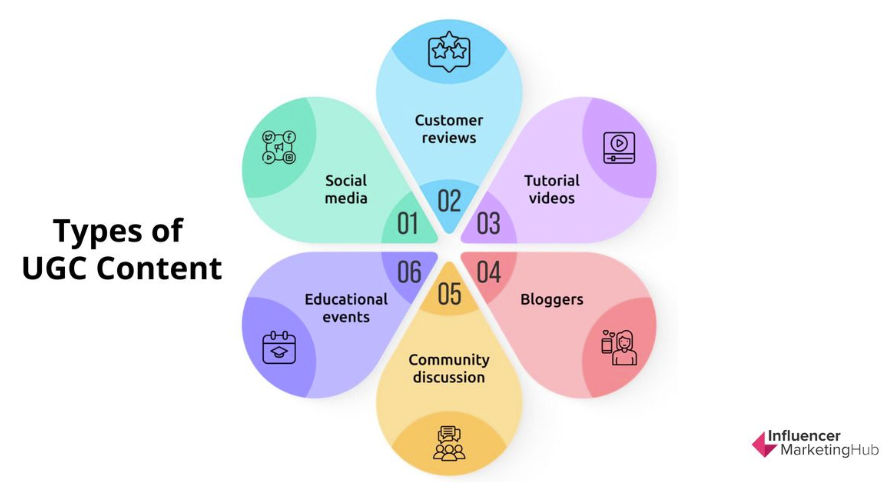
User-generated content (UGC) refers to any original brand-related material created by real customers and employees who are not part of your professional marketing team. UGC can be organic, made out of appreciation for the product, or paid. In either case, the creator uses their resources and inspiration to generate the content.
Some of the more common forms of UGC are reviews and testimonials. Still, photos, videos, live streams, blog posts, and even comments on social media and discussion forums can also be included in the definition. Individual users can develop and share these types of content, and the brand can leverage them to improve demand generation.
What are the benefits of UGC for B2B marketing?
1. Builds trust and credibility
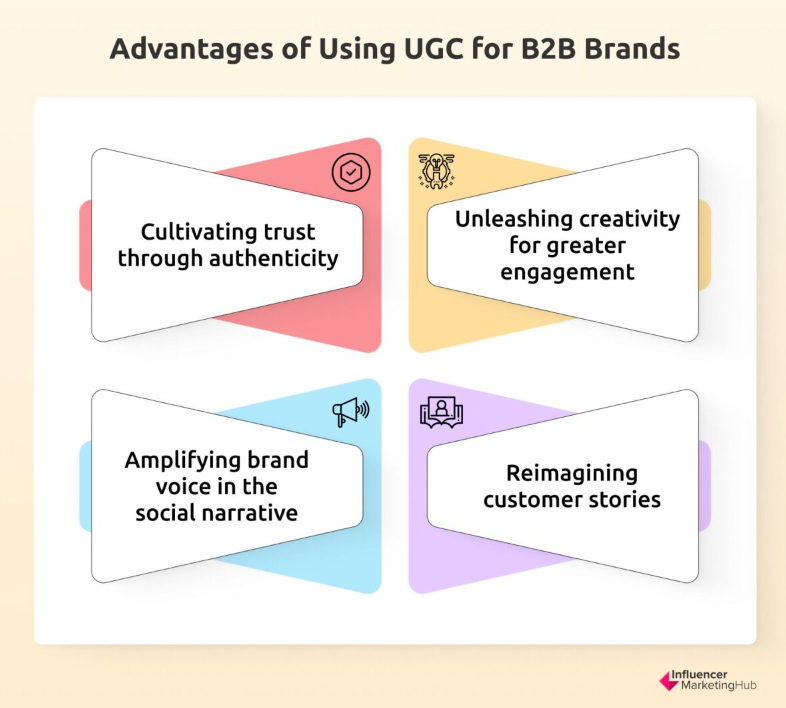
Consumers have read online marketing content for decades and have grown understandably jaded. Authentic UGC serves as social proof that your brand delivers on its promises and creates quality products that inspire loyalty. With highly niche products, which often describe B2B solutions, UGC is the closest thing many buyers will find to word-of-mouth recommendations from a trusted associate.
2. Expands brand visibility and reach
UGC creators can carry the torch of your brand into the online communities and hangouts they frequent, bypassing the costs and restrictions of traditional advertising. They can speak directly to people like themselves—members of the same target audience you’re trying to reach—increasing familiarity and helping to create positive first impressions.
3. Reduces content creation costs
Even if you opt for paid UGC, this type of content tends to be much more affordable than professionally produced media, with fewer expectations of slick production values. By soliciting UGC from your audience (either through compensation, contests, direct requests, or any other means you can think of), you can build up an extensive selection of content that can be put to work in various marketing contexts.
4. Accelerates demand generation
Many B2B marketers focus on driving prospects down the demand generation funnel, planting seeds of interest that create self-motivated buyers instead of rushing to drag uncertain leads into the sales funnel before they’re ready. Organic content like UGC can influence future buyers before they’ve started their purchasing journey, priming them for the content and outreach that will help them decide in your brand’s favor.
5. Strengthens customer relationships
Listening to your customers is not everything in marketing, but it certainly does help establish meaningful connections with them. UGC allows you to create ongoing, mutually beneficial relationships with customers who believe in your brand and products. Showing appreciation for your customers’ content, showcasing it on your social media feed, and staying engaged with your audience will inspire loyalty and enthusiasm that can’t be bought.
How can you influence your employees to create UGC?
Sales teams leverage their networks for outbound sales strategies daily, but other employees might not feel as confident sharing their thoughts or even being active on social media. Launching an employee advocacy campaign can be tricky. If you emphasize mandatory participation and pre-screened content too much, you risk creating something that looks like a conventional marketing campaign on a reduced budget.
However, simple encouragement can be all it takes to inspire employees to post brand-related content, especially when you provide the right tools and resources. Contests, leaderboards, and recognition can also be effective motivators.
Using an employee advocacy platform to help your brand ambassadors create UGC
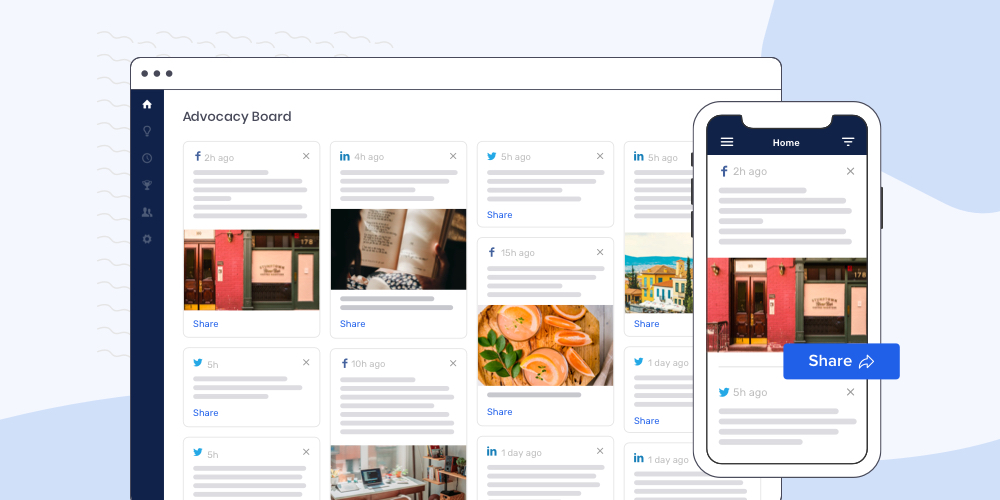
Platforms like Oktopost provide a centralized and intuitive tool for employees to discover, filter, and share pre-approved company content on their social media profiles. Content can be segmented into various categories, including region and language, so employees can share what is relevant to them and their audience.
Oktopost is the only tool connecting your employee advocacy plan with your social media management platform. It allows you to create campaign workflows and measure your UGC efforts easily. It also makes it easier to see the impacts of everyone’s efforts, keeping employees motivated to post more.
Is B2B UGC more effective on certain networks?
Not all social networks are created equal when it comes to B2B audiences. Certain types of content are better suited to certain networks than others.
- LinkedIn is best for long-form thought leadership content and professional community building.
- X is for announcements, short-take thought leadership, and public relations.
- Instagram is a good choice for branding content—marketing to customers, and presenting your company culture to prospective hires.
- Facebook is the go-to network for event promotion, interpersonal community building, video content, and news updates.
7 Tips to leverage UGC for employee advocacy in B2B
1. Encourage authentic content creation
Some of the most unique and memorable content comes from people who are genuinely inspired to create. Contests, challenges, open requests, and similar prompts can draw people out and acclimate them to creating and sharing content. This is a great way to generate material for marketing, workshop ideas for social media engagement, and identify employees with the right personality to become successful brand ambassadors.
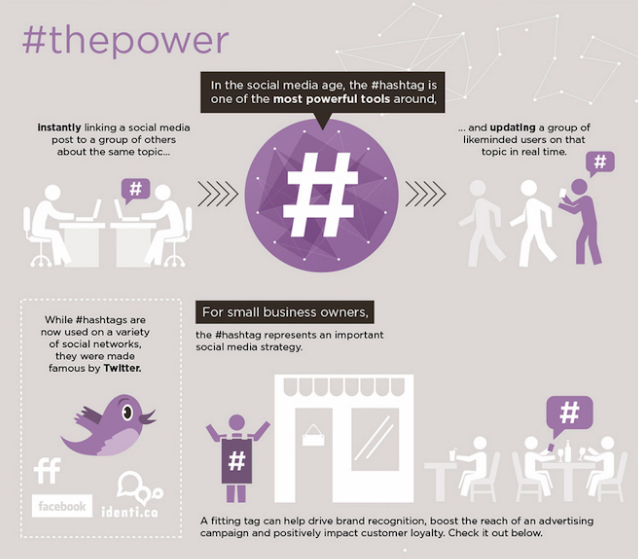
2. Create a branded hashtag
A hashtag gives trending topics something to hang on, connecting conversations occurring in different social media corners and making them easier to find and follow. Branded hashtags dedicated to employee advocacy and other types of UGC can encourage participation simply by showing up in a user’s feed and sparking an idea. Even better is if these hashtags contain keywords that your target audience is searching for, so they can contribute to improving SEO efforts.
3. Develop a social media governance plan
When content is created and shared organically by non-marketers, there’s always an elevated risk of factual errors, jokes in poor taste, and other social media missteps that can distract from your message and create the wrong impression about your brand.
This risk can be mitigated with a social media governance plan that establishes guidelines for using social media responsibly, following all applicable legal regulations, and staying consistent with the brand’s image and values.
4. Showcase employees’ personal stories
The significant advantage of featuring real people in your marketing is that they’re real people! Audiences will respond best to content that shows the human side of your company, gives a glimpse of the day-to-day activities, and tells authentic stories about unique individuals and their work.
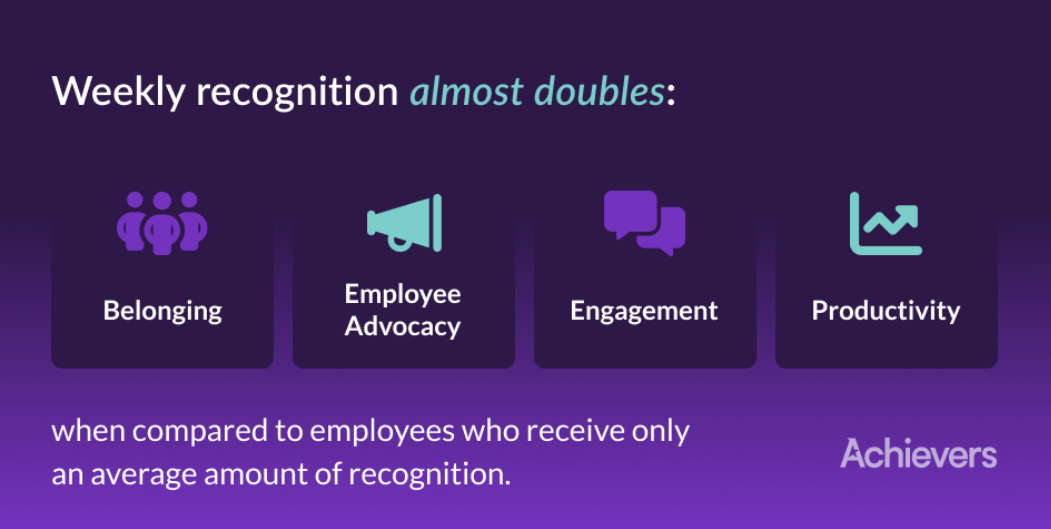
5. Reward and recognize participation
Gamify, incentivize, and acknowledge participation; you can be sure you’ll keep getting it. Recognition and appreciation are great motivators for posting social media content, so ensure your advocates get positive feedback and encouragement for putting themselves out there. Look for ways to celebrate successes and showcase great posts. For some companies and industries, simply reposting UGC to your main blog or Instagram page could be a significant reward; for others, gift cards and similar prizes may be more motivating.
6. Create a content hub
Sometimes, the desire to post is there, but the ideas aren’t. An internal content hub that serves as an organized, searchable library of prompts and assets can dissolve creative blockages so you can ensure that posts stay on-topic and use approved photos and videos. Feature-rich social media management platforms like Oktopost can provide this functionality.
7. Measure and analyze impact
By setting goals for your employee advocacy campaigns and monitoring their performance, you can use data analytics to see where your efforts succeed or fail and gain insights to improve future campaigns. I would like to choose a tool with built-in social listening and analytics to measure employee advocacy efforts continuously and integrate these results with other social media metrics.
Give the floor to the people who know your brand best
Everybody loves a brilliant marketing campaign, but many B2B buyers want to understand the real people behind the scenes. Authentic content generated by your company’s actual employees can be highly persuasive and shows a side of your company that isn’t captured in customer-created UGC, like reviews and testimonials.
The best way to set an employee advocacy campaign up for success is to provide it with the tools and resources it needs to inspire, enhance, and share great content. Platforms like Oktopost supercharge employee advocacy while providing a full range of social media management features to launch winning campaigns. Sign up for a demo today for a free preview of everything this platform can do.